

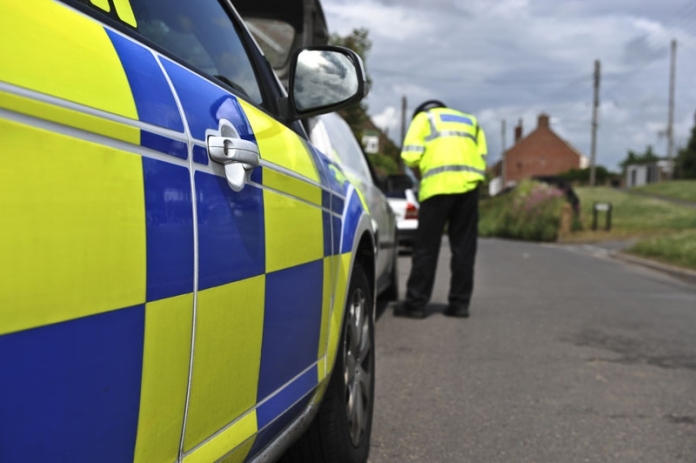
Police in Somerset are urging motorists to be vigilant following a sharp rise in cloned vehicle fraud, with officers now seizing at least one cloned car a week across the force area.
Cloned vehicles are stolen cars that have been given a false identity – usually copied from a genuine vehicle – before being sold on privately through online platforms and social media.
National figures show vehicle theft is increasing, with the Office for National Statistics reporting an 8 per cent rise in recorded incidents between 2022 and 2023. Police say this has gone hand in hand with more cases of vehicle cloning, as criminals adopt increasingly sophisticated methods to disguise stolen vehicles.
In the Avon and Somerset force area, the number of cloned vehicles seized last year was double that of 2023.
To highlight the growing threat, the force has released the short film below, called ‘Stolen Identity: The Cloned Car Scam’, examining the scale of the problem, the impact on victims and the warning signs buyers should look out for when purchasing a used vehicle.
Police say victims can lose thousands of pounds after unknowingly buying a cloned vehicle. Because the car is stolen, buyers have no legal ownership, and once identified as a clone it will be seized and cannot be returned. Those who purchase privately often have little financial recourse, especially if they paid in cash.
In some cases, the identity of a genuine vehicle is copied multiple times, creating several victims of fraud. Owners of legitimate vehicles may also receive penalty notices or be linked to offences they did not commit.
Stolen Vehicle Examiner Matt Neale says criminals are now using highly advanced methods to alter stolen vehicles. “Gone are the days of simply swapping number plates. Many of these vehicles have had their entire identity changed,” he said. “We’re seeing false VIN numbers, replacement labels and even reprogrammed electronic systems so that everything appears legitimate. In some cases, even the locks and keys have been replaced.”
He warned that standard online checks may appear normal because they relate to the genuine vehicle whose identity has been copied. “That’s why it’s so important that buyers take the time to check both the vehicle and the seller carefully. If something doesn’t feel right, or the deal seems too good to be true, don’t be afraid to walk away.”
Police have issued guidance to help consumers protect themselves when buying a used vehicle. Red flags include unusually low prices, sellers offering only one key, an inability to produce a log book, requests for cash payments, evasiveness when asked for ID, or sellers insisting on meeting away from their home address.
How to protect yourself from vehicle cloning?
Anyone can become a victim of fraud. However, Police say there are a number of ‘red flags’ to watch out for when purchasing a vehicle privately which may indicate that the sale is fraudulent:
- The selling price is significantly below market value. If it sounds too good to be true, it probably is.
- Only one key is available.
- The seller cannot produce alog book(V5C).
- The seller insists on meeting somewhere other than their home address to make the sale.
- They request cash payment only.
- They become evasive when asked for ID or proof of ownership.
Before you buy a used vehicle:
- Question unusually low prices – and be wary of ‘quick sale’ cover stories.
- Insist on seeing the log book and seller’s ID.
- Avoid paying in cash wherever possible.Using a credit card may offer some protection.
- Do not agree to apply for a replacement log bookon the seller’s behalf.
- Ask for proof they have owned the vehicle for a reasonable period of time- for example, a date-stamped photo or documentation.
- A genuine seller should be able and willing to prove ownership and identity without hesitation. Walk away if the seller resists reasonable checks.